
If you’re tackling an interior house painting project, knowing where to start can save you time, effort, and frustration. One of the most common questions homeowners ask is: what’s the correct order to paint a room? Whether you’re a seasoned DIYer or a first-time painter, following the right sequence can make all the difference between a clean, professional-looking finish and a messy one that needs touch-ups.
Key Takeaways:
Why Order Matters in Painting
Painting out of sequence might seem like no big deal, but it often leads to problems like drips, smudges, and the need to redo work. When you follow a proven step-by-step order, your interior house painting project becomes smoother, cleaner, and less stressful. The goal is to minimize overlap, avoid rework, and achieve the best possible finish with the least hassle.
Step 1: Start with the Ceiling
Always begin at the top. Painting the ceiling first ensures that any accidental drips or roller marks on the walls or trim won’t ruin a freshly painted surface. Use a roller with an extension pole to make this job easier, and don’t forget to cut in around the edges with a brush.
Tips for Painting Ceilings:
- Use a flat or matte finish to hide imperfections.
- Work in sections to keep a wet edge and avoid roller marks.
- Cover the floor and furniture to protect from splatter.
Step 2: Move to the Walls
Once the ceiling is fully dry (usually 4–6 hours, depending on paint type and humidity), move on to the walls. This is the biggest surface area, so take your time. It’s also the most visually impactful part of the job.
Wall Painting Tips:
- Use painter’s tape along trim, windows, and door frames.
- Apply two coats for even color coverage.
- Use a roller for large areas and a brush for corners and edges.
Step 3: Finish with the Trim
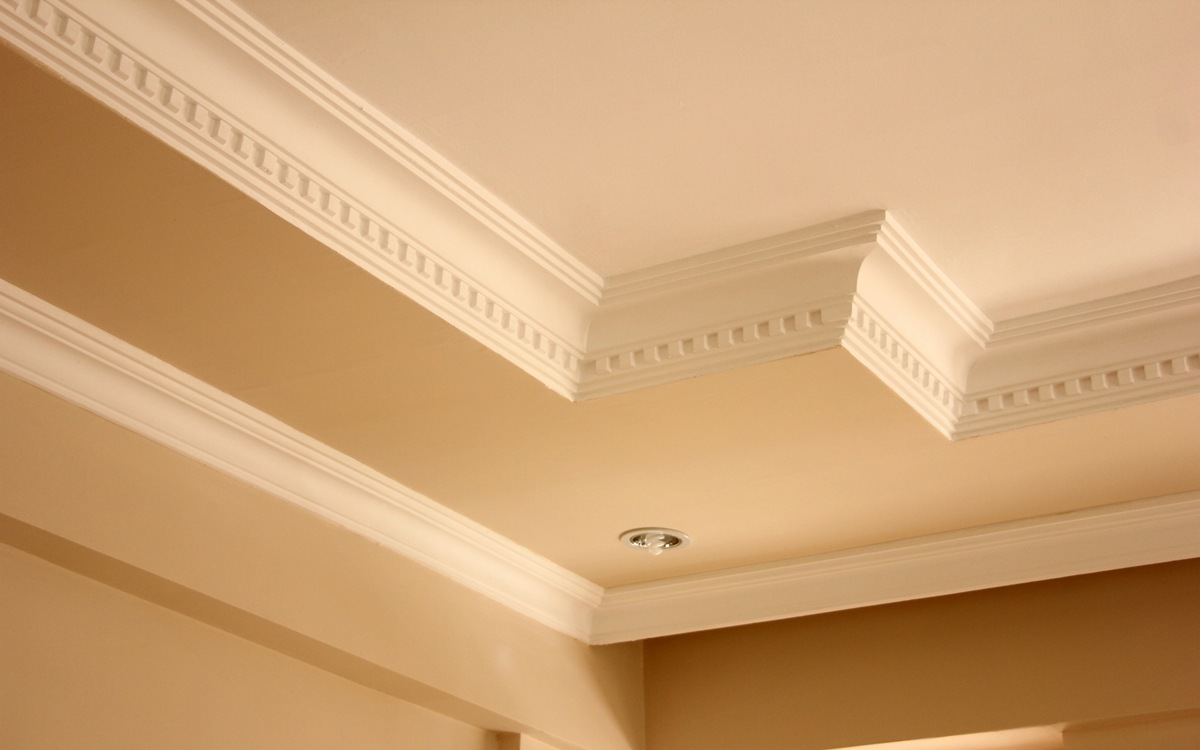
Trim includes baseboards, window frames, crown molding, and doors. This should be painted last because it’s easier to tape off and protect dry walls than to work the other way around.
Best Practices for Trim:
- Clean trim with a damp cloth before painting.
- Use an angled brush for precision.
- Semi-gloss or gloss finishes are ideal for durability and wipeability.
Should You Paint Trim or Walls First?
This is a common point of confusion. Some painters prefer to paint the trim first, especially if spraying, and then tape it off when painting walls. However, for most homeowners doing a brush-and-roll interior house painting project, painting the walls first is easier and cleaner.
If you do choose to paint the trim first, be very precise with taping — and expect to do touch-ups on both surfaces.
What About Cutting In?
“Cutting in” refers to painting the edges of ceilings, walls, and trim with a brush before using a roller. This technique helps create clean lines and avoids getting paint where you don’t want it.
Cutting In Tips:
- Do it slowly with a steady hand.
- Use a quality angled brush.
- Feather out the paint so it blends with the roller.
Prep is Just as Important as Painting
Before you open a single paint can, prep your room properly:
- Remove or cover furniture.
- Patch holes and sand rough areas.
- Clean the surfaces to remove dust and grime.
- Use painter’s tape generously.
- Lay down drop cloths to protect floors.
A well-prepped room makes the actual painting faster and cleaner, and results in a much better finish.
The Bottom Line: Top to Bottom, Always
If you’re ever unsure, remember this rule of thumb: paint from the top of the room to the bottom.
That means ceiling → walls → trim.
This approach isn’t just a neat trick—it’s a tried-and-true method used by professionals to reduce drips, maintain crisp lines, and keep each surface as clean as possible.
By working downward, you allow gravity to work in your favor: any paint splatter or roller mishap from above can be easily covered or corrected on the surfaces below. Following this sequence also keeps your workflow efficient and ensures a polished, cohesive finish throughout your interior house painting project.
Need Help with Your Painting Project?
If you’re ready to tackle your next room but don’t want to do it alone, Liquid Oak Painting is here to help. Our professional painters bring years of experience, attention to detail, and the right tools to make your home look its best. Call us today at 213-526-1070 to schedule a consultation and get a free quote!